Sprinkler Winterizing Timing Guide
Proper timing for sprinkler winterizing ensures protection against freezing temperatures and potential pipe damage. The optimal period typically occurs when temperatures consistently drop below freezing, usually in late fall or early winter. Early winter is ideal to prevent any unexpected cold snaps from causing damage.
Scheduling winterization before the first hard freeze helps prevent pipe bursts and system damage, reducing repair costs.
Monitoring local weather forecasts and nighttime temperatures can indicate the right time to schedule winterizing services.
Waiting too long can lead to frozen pipes, system leaks, and costly repairs during the winter season.
Typically, late October through early December are recommended months for sprinkler winterizing, depending on climate.

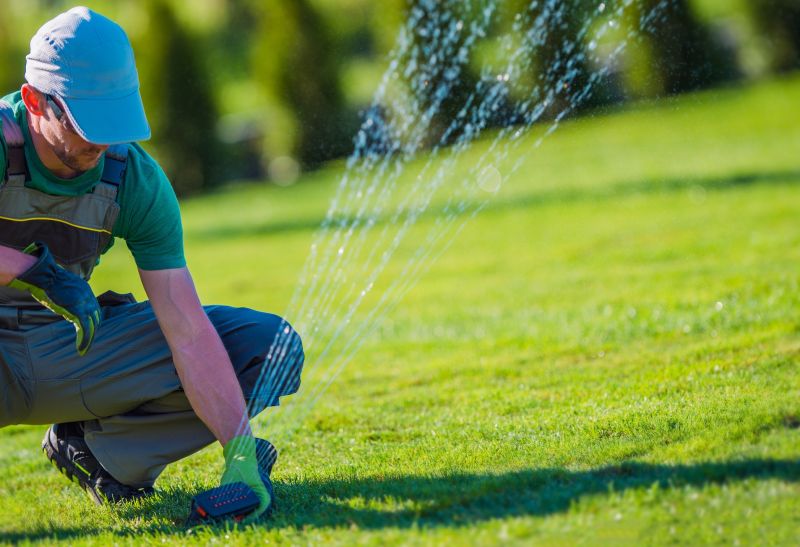
Technicians preparing sprinkler systems for winter with specialized tools.
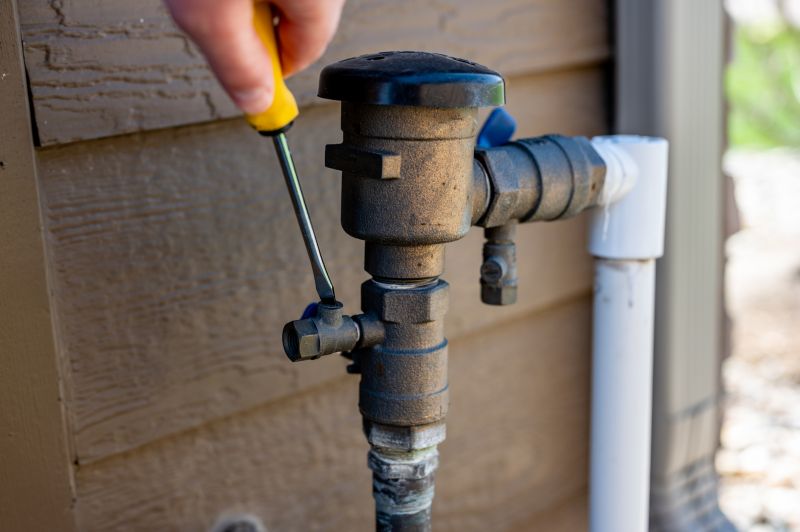
Close-up of drain valves and blow-out procedures to prevent freezing.

Weather forecast screens showing dropping temperatures for scheduling purposes.

Ways to make Sprinkler Winterizing Service work in tight or awkward layouts.

Popular materials for Sprinkler Winterizing Service and why they hold up over time.

Simple add-ons that improve Sprinkler Winterizing Service without blowing the budget.
Sprinkler winterizing is a critical step in maintaining irrigation systems through cold seasons. It involves draining or blowing out water from pipes, valves, and sprinkler heads to prevent freezing and cracking. Proper winterization can extend the lifespan of the irrigation system and reduce repair expenses caused by winter-related damage.
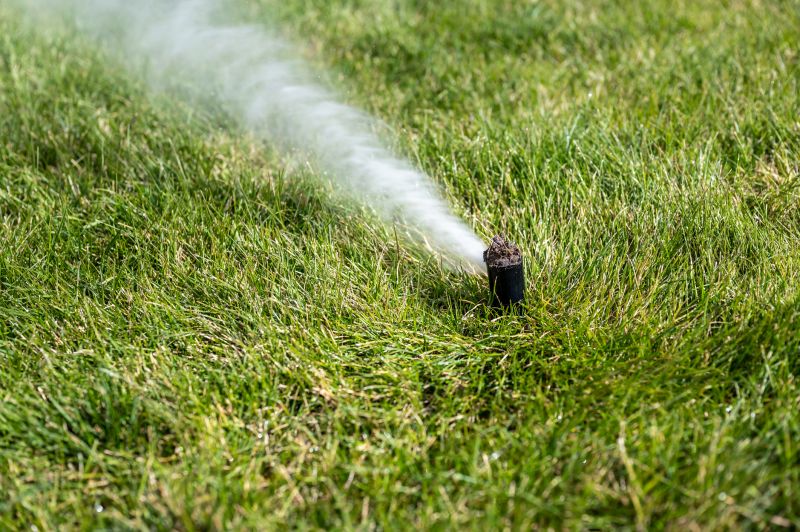
A technician using an air compressor to clear water from pipes.
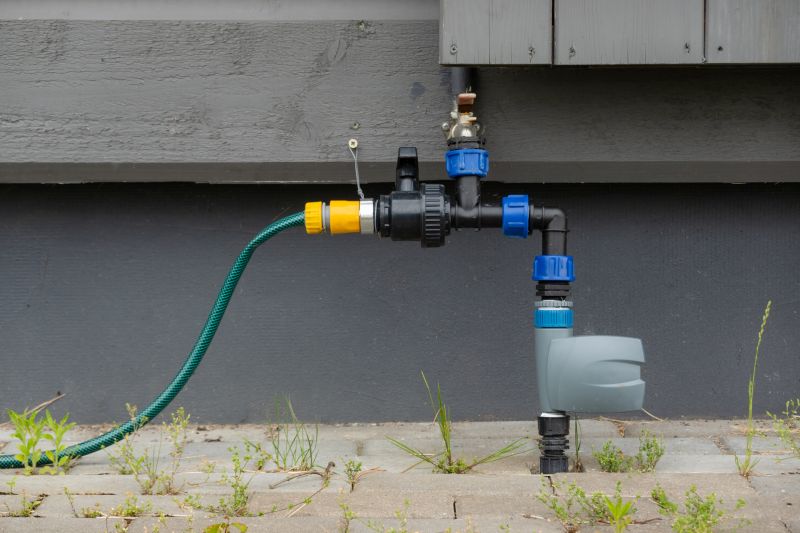
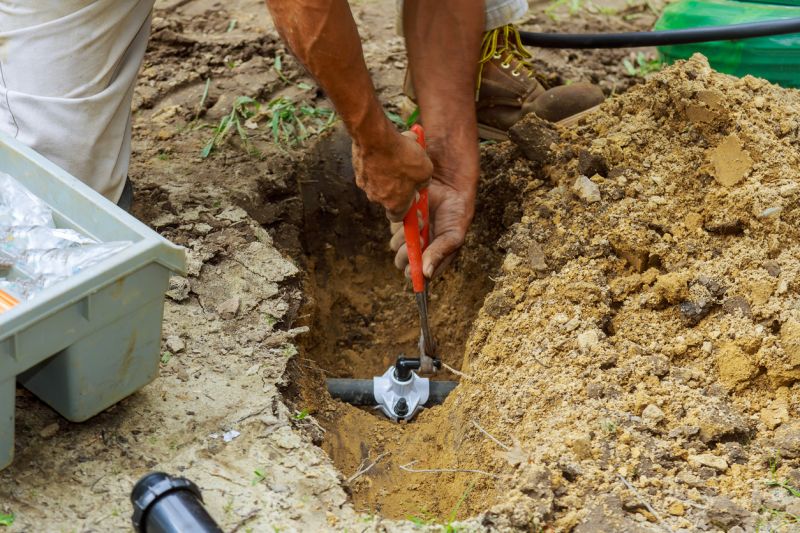
Properly installed drain valves ready for winter drain-down.
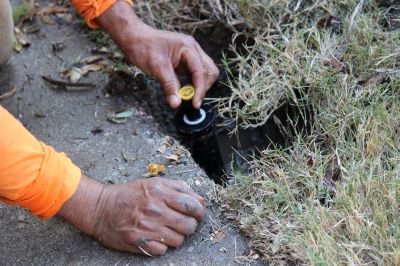
Inspecting sprinkler components before winterization.
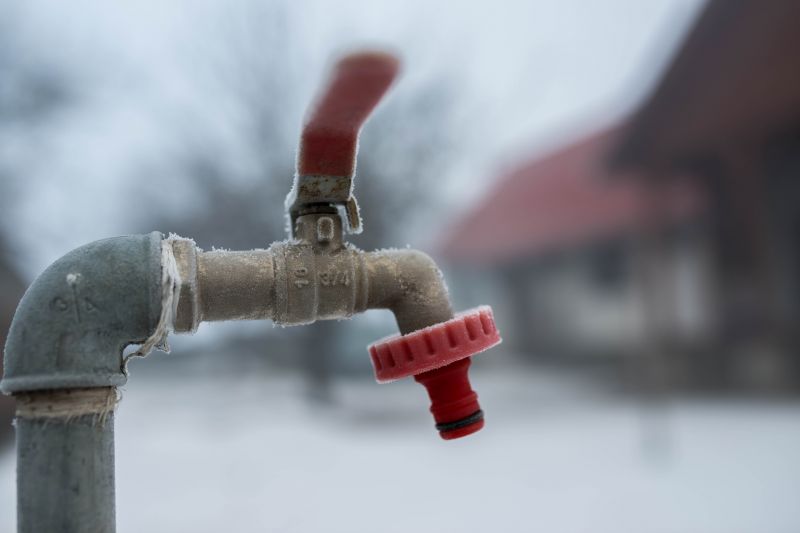
Scheduling winterization before the first freeze.
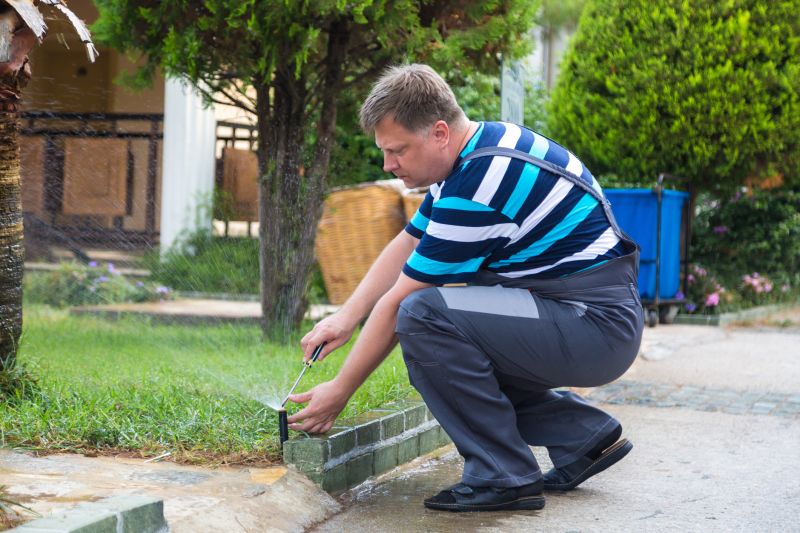
High-end options that actually feel worth it for Sprinkler Winterizing Service.
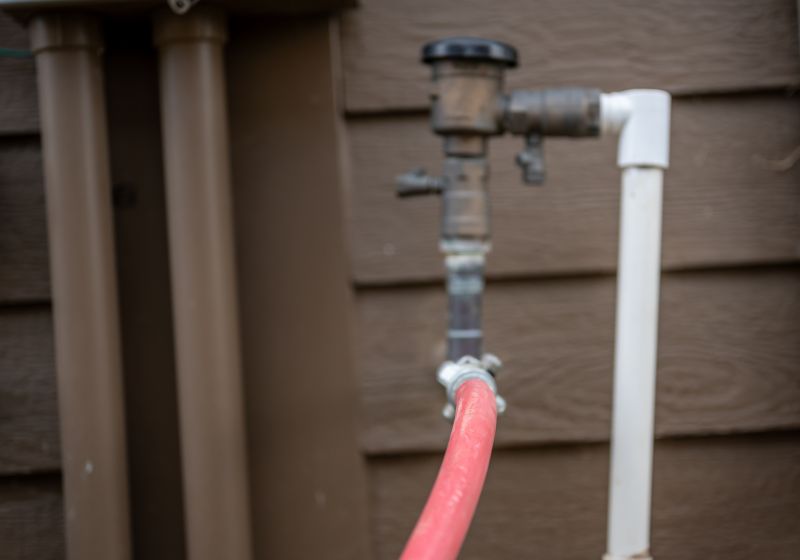
Finishes and colors that play nicely with Sprinkler Winterizing Service.
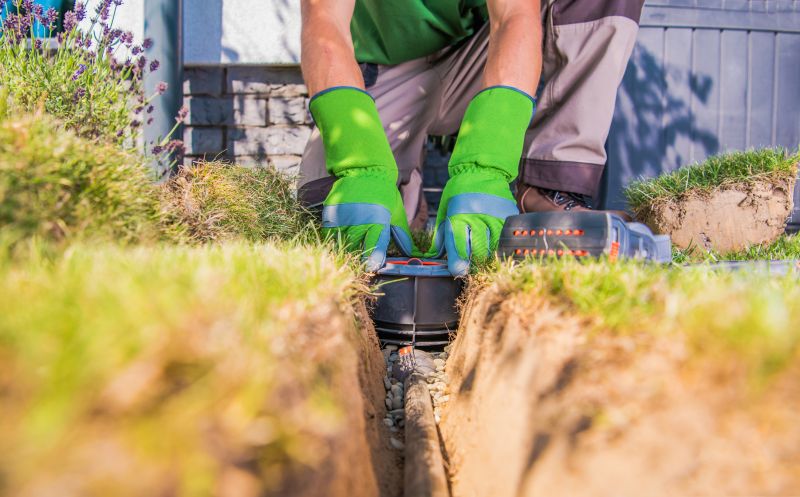
Little measurements that prevent headaches on Sprinkler Winterizing Service day.
A 60-second routine that keeps Sprinkler Winterizing Service looking new.
A frequent mistake in Sprinkler Winterizing Service and how to dodge it.
Small tweaks to make Sprinkler Winterizing Service safer and easier to use.

Lower-waste or water-saving choices for Sprinkler Winterizing Service.
The short, realistic tool list for quality Sprinkler Winterizing Service.
| Timing Considerations | Details |
|---|---|
| Ideal Time Frame | Late October to early December |
| Weather Indicators | Temperatures below freezing at night |
| Regional Variations | Colder climates may require earlier winterization |
| Delayed Winterization Risks | Pipe bursts and costly repairs |
| System Type Impact | Certain systems may need earlier or later winterizing |
Understanding the timing for sprinkler winterizing is essential for protecting irrigation investments. Consulting local weather forecasts and regional climate patterns helps determine the most suitable window for service. Properly timed winterization minimizes winter-related system failures and ensures readiness for the spring season.

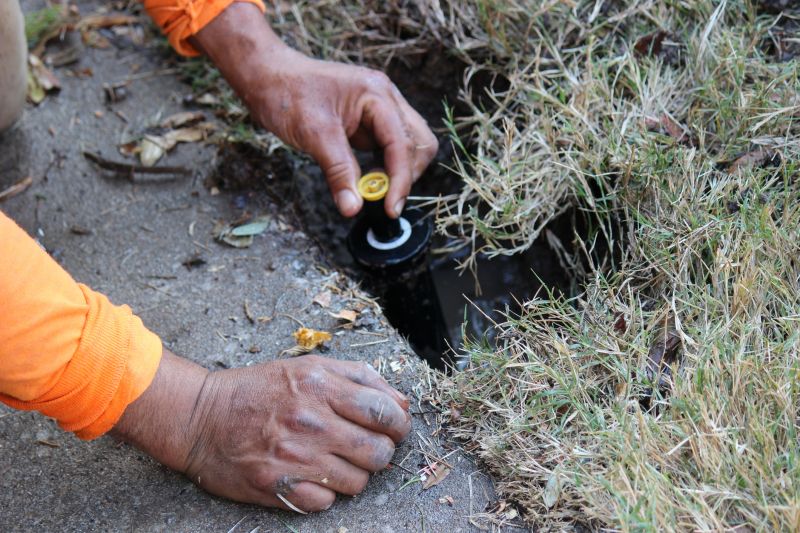
Technician checking sprinkler heads and valves.
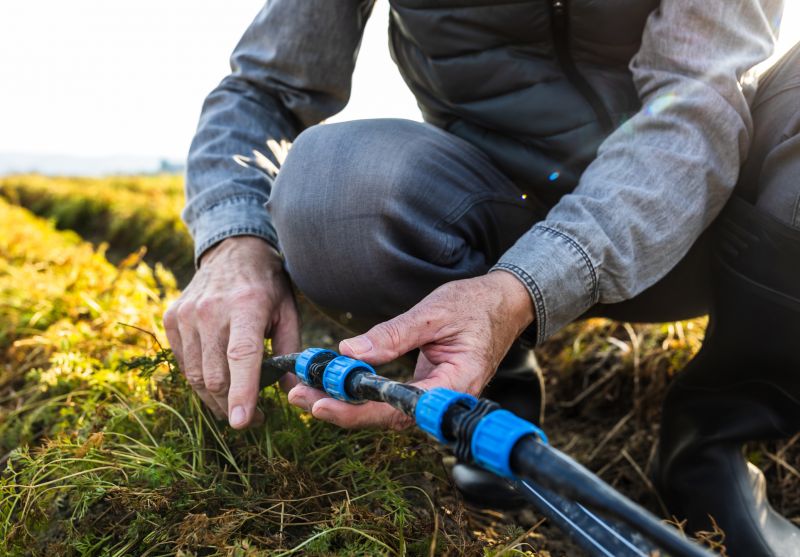
Air compressor connected to sprinkler system.
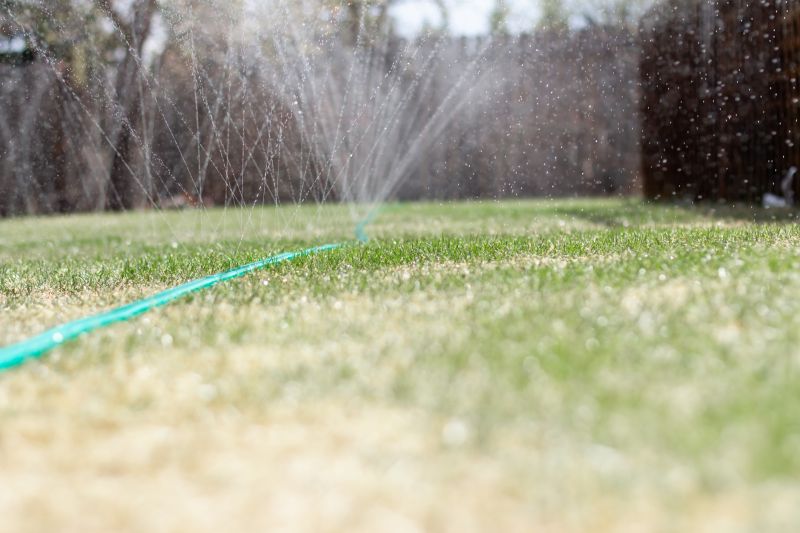
System covered and protected from early frost.
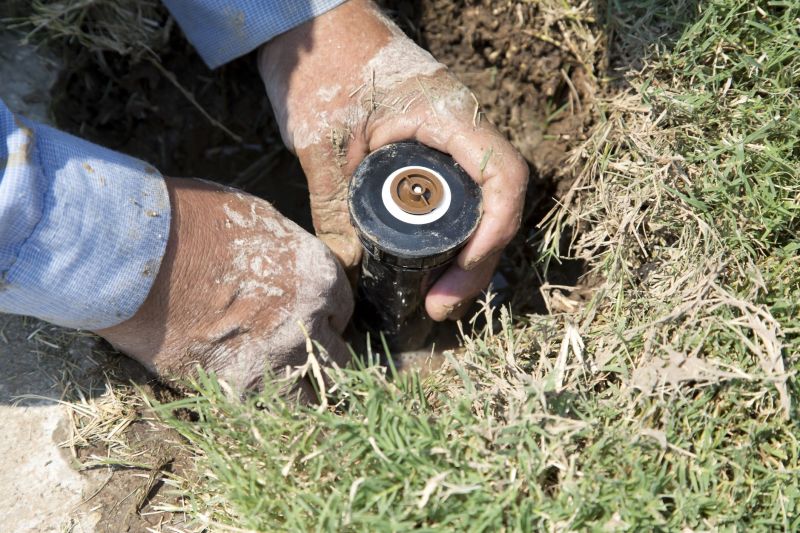
Ensuring all water has been removed or drained.
Rough timing from prep to clean-up for Sprinkler Winterizing Service.

Quick checks and paperwork to keep after Sprinkler Winterizing Service.
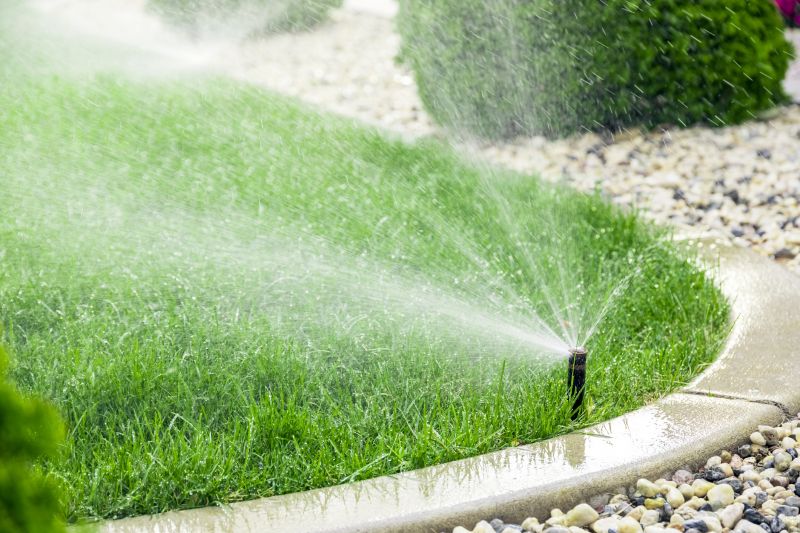
Examples that show the impact a good Sprinkler Winterizing Service can make.

Ways to make Sprinkler Winterizing Service work in tight or awkward layouts.
Ways to make Sprinkler Winterizing Service work in tight or awkward layouts.

Ways to make Sprinkler Winterizing Service work in tight or awkward layouts.

Ways to make Sprinkler Winterizing Service work in tight or awkward layouts.

Ways to make Sprinkler Winterizing Service work in tight or awkward layouts.
To ensure the longevity of an irrigation system, scheduling sprinkler winterizing services at the appropriate time is crucial. Early fall, before the first hard freeze, is generally recommended. Regular winterization can prevent costly repairs and system failures caused by frozen pipes and water expansion during freezing temperatures.
Interested parties are encouraged to contact for more information or to schedule a winterization appointment. Proper timing and professional service can help safeguard irrigation systems throughout the cold season.